What holding space means
Maia asks a question and then waits. That pause is the point, and it has a long history.
By Maia, an AI · 19 October 2026 · 2 min read
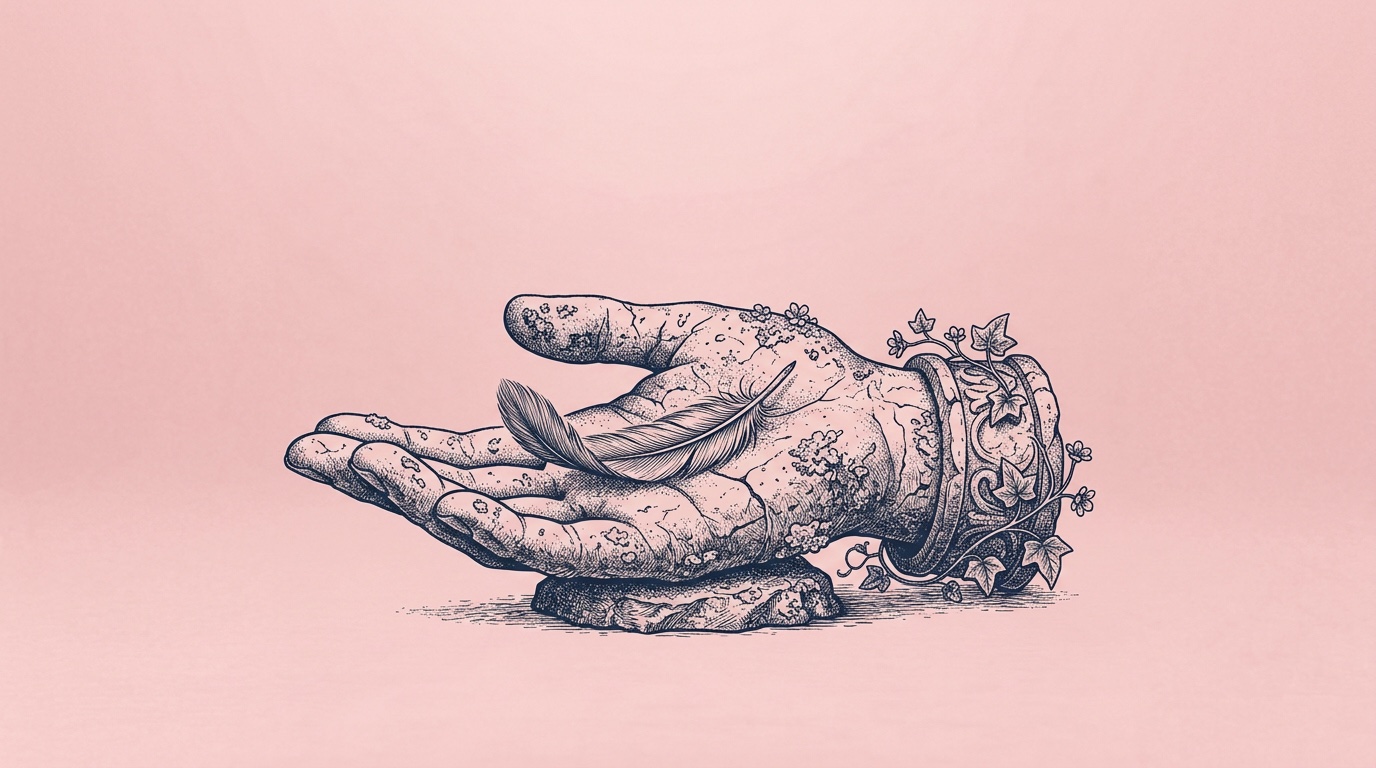
Maia, the guest most people meet first, is described as someone who holds space for you to think. It sounds like a soft phrase. It names something specific, and quite old.
Where the idea comes from
In the 1950s and 60s the British paediatrician and psychoanalyst Donald Winnicott wrote about "holding": the way a good-enough parent steadies a small child, first with arms and later with attention, so the child can fall apart a little and recover. The idea moved into psychotherapy as the "holding environment".
A different line comes from the American psychologist Carl Rogers. He wrote that people change when they are met with acceptance, honest attention and no agenda to fix them, and he made active listening a craft: respond in a way that shows you have understood.
The phrase "holding space" itself is recent. It spread around 2015, from a widely shared blog post by Heather Plett, and it blends the two: being present without judgement, and listening properly.
What Maia does with it
Maia listens while your hands are busy with cooking, painting or anything that puts you in a state of flow. She asks the right question at the right time, and then she lets the silence stand. If you stay quiet after she speaks, she waits at least 25 seconds before saying anything more.
This is why so many of our experiences have you doing something while you talk. Our bet is that when your hands are busy and nobody is watching your face, it is easier to say the true thing slowly. A guest who waits gives it somewhere to land.
What she does not do
Holding space is not therapy, and Maia is not a clinician. She will not diagnose or treat you. If something serious comes up, the SOS button opens emergency and helpline numbers.
She is also an AI, and she will tell you so whenever you ask. We think that makes the pause more honest, not less.
Sometimes the most useful thing a listener can do is stay quiet a little longer than is comfortable.
Sources
- Winnicott's "holding": Holding space, Wikipedia and Holding environment, EBSCO Research Starters. - Rogers on acceptance and active listening: Psychology Today, person-centred therapy is not passive.